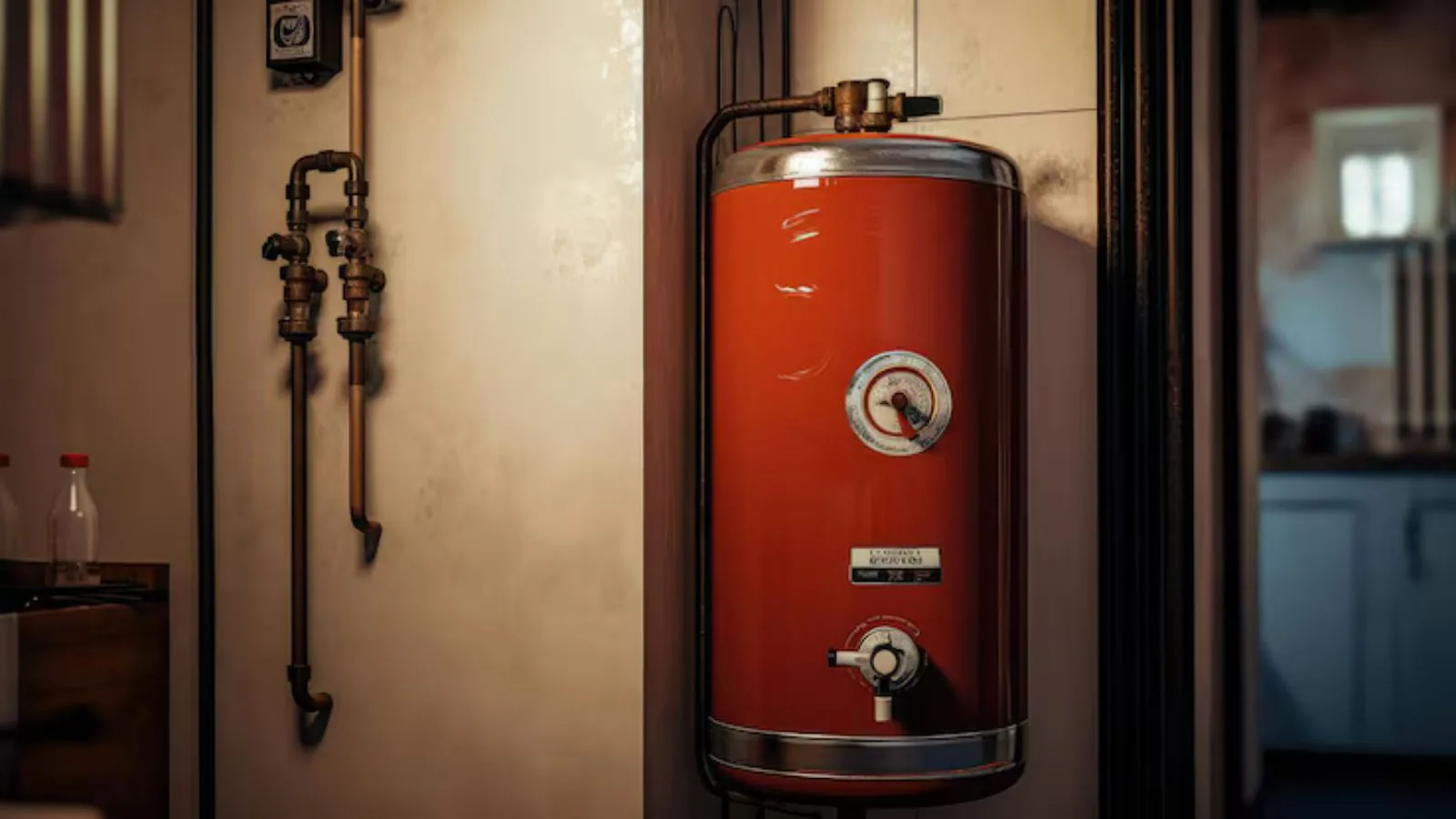
A water heater rated for 10 to 12 years that fails at 8 isn't necessarily a defective unit or bad luck. Hard water is one of the more common, and most overlooked, reasons tank water heaters age out early. Understanding what's actually happening inside the tank helps explain why, and what to do differently with the next unit.
Hard water means the municipal supply carries a higher mineral content, mainly calcium and magnesium, than soft water would. Those minerals don't just affect taste or leave spots on dishes. Inside a water heater, they cause real, measurable damage over time.
What Hard Water Actually Does Inside A Tank
As water heats, dissolved minerals precipitate out and settle at the bottom of the tank as sediment. Over months and years, this layer builds up and acts as an insulating barrier between the burner or heating element and the water itself.
The practical effect is that the unit has to work harder and run longer to heat the same amount of water, which increases both energy use and wear on the heating components. Eventually, sediment buildup can also cause popping or rumbling noises as trapped water boils beneath the layer, and in severe cases it contributes to premature tank failure.
On a gas unit specifically, sediment buildup at the bottom of the tank sits directly between the burner and the water, which is the most direct path to reduced efficiency. On an electric unit, sediment tends to bury the lower heating element, which can cause that element to overheat and fail well before the upper element does.
How Hard Is Upland's Water?
The City of Upland's 2025 water quality report lists average total hardness at 120 ppm, with readings from not detected up to 340 ppm. Hardness varies across the system because the supply blends groundwater, surface water and imported water.
Where hardness is higher, a water heater has more scale to deal with than the same unit on soft water. Testing your own tap tells you where your home falls.
Tank Units Vs Tankless: Different Failure Patterns
A tank water heater tolerates sediment reasonably well in the short term because it simply settles at the bottom, out of the direct heating path for a while. A tankless unit doesn't have that luxury. Water passes through a narrow heat exchanger, and the same mineral content coats the inside of that exchanger directly, restricting flow and reducing efficiency much faster than in a tank.
This is why tankless manufacturers recommend periodic descaling, and more often where the water is hard. Skipping that service doesn't cause immediate failure, but it does shorten the unit's working life meaningfully.
What You Can Actually Do About It
A whole-home water softener is the most direct fix, since it addresses the mineral content before it ever reaches the water heater, or any other fixture in the house. For households not ready for that investment, regular tank flushing, ideally annually, clears sediment before it builds up to a problematic level.
For tankless owners specifically, keeping to the manufacturer's recommended descale schedule is the single biggest factor within your control for extending the unit's working life where the water is hard.
If you're shopping for a new unit and don't yet have a softener, it's worth having that conversation with your plumber at the same time as the water heater purchase. Installing both together is more efficient than treating them as two separate projects months apart, and it means the new unit starts its life protected from day one instead of accumulating damage before a softener is eventually added.
Rumbling Or Popping Sounds
Sediment trapped at the tank bottom, worth a flush before it gets worse.
Rising Energy Bills With Same Usage
A heater working harder to reach the same temperature due to buildup.
What A Flush Actually Involves
A tank flush drains the unit fully, clearing accumulated sediment from the bottom before refilling. It's a routine maintenance task, not a repair, though a tank that's gone several years without one sometimes reveals a valve or fitting that's also due for attention while it's being serviced.
For a unit that's never been flushed and is already several years old, the first flush is worth having done by a professional rather than attempted as a first DIY project. A stuck or corroded drain valve on an older unit can complicate what should be a simple process. Any part replacement follows the California Plumbing Code (UPC) requirements for water heater installation.
Signs your unit is fighting hard water buildup
- Popping, rumbling, or knocking sounds during heating cycles
- Water taking noticeably longer to get hot than it used to
- Reduced hot water volume before it runs out
- A unit under 8 years old already showing these signs
Water Heater Acting Up?
We diagnose the actual cause, including hard water buildup, before quoting a fix.
Upland Water Hardness, By The Numbers
The City of Upland's 2025 water quality report lists average total hardness at 120 ppm, with readings from not detected up to 340 ppm. The City says groundwater supplies about 80 percent of its customers' needs, imported water 17 percent and surface water 3 percent.
Your own address may differ, so test your tap or ask your water provider before you decide on a softener. If your heater is leaking or has stopped heating, do not wait. Call us and we will diagnose it the same day.
We also serve nearby Pomona and Claremont, and you can read more on our water heater repair page.
FAQs
Can hard water damage void my water heater's warranty?
Some manufacturers specify maintenance requirements, including descaling for tankless units, that if skipped can affect warranty coverage. Check your specific unit's documentation.
Is a water softener worth it just for the water heater?
It helps significantly, but a softener benefits the whole home's plumbing and fixtures, not just the water heater, which usually makes the investment worthwhile beyond that one appliance.
How do I know if sediment buildup is severe?
Persistent rumbling noises and a noticeable drop in hot water capacity are the clearest signs. A technician can also check directly during a service visit.
Does flushing my tank myself help?
Regular flushing does help, though a tank that's gone years without one may need professional attention to clear buildup safely without damaging older components.
Will a new water heater automatically last longer if I don't add a softener?
Not necessarily. A new unit installed into the same hard water supply faces the same conditions that shortened the previous one's life, unless something changes, like adding a softener or committing to a regular flush schedule.
Is bottled or filtered drinking water affected by the same hardness issue?
Hardness minerals affect plumbing and appliances more than drinking safety. Filtration addresses taste and specific contaminants. Softening addresses the scale-forming minerals that damage pipes and heaters.
How hard is the water in Upland, CA?
The City of Upland's 2025 water quality report lists average total hardness at 120 ppm, with a range from not detected to 340 ppm. Test your tap to see what your address receives.